In-person in the upper valley of Vermont
Tf-EMDR
Therapeutic Fly-Fishing
with EMDR
Healing work held within the living world
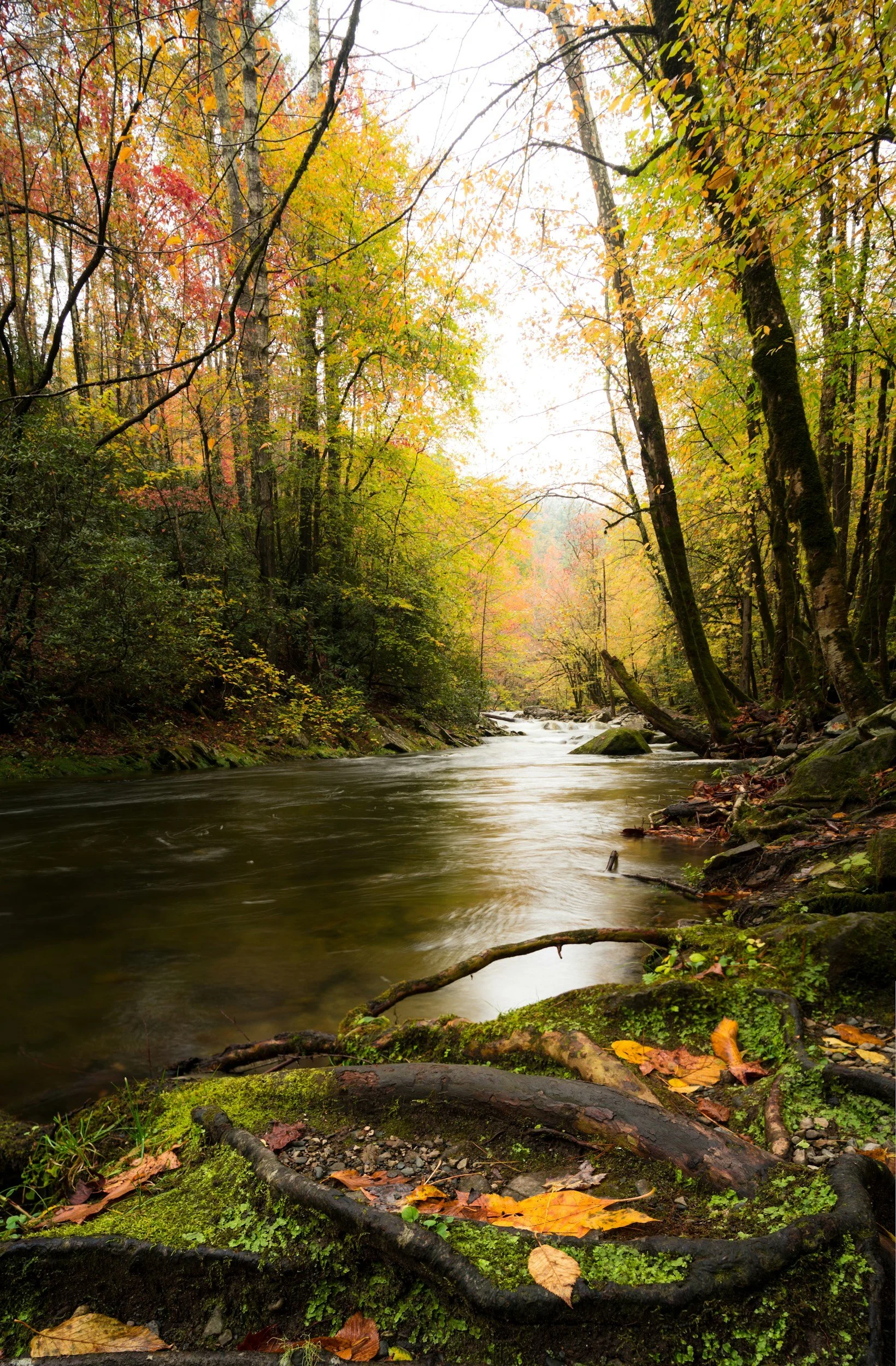
Integrative EMDR in relationship with the natural world.
weaving together connection with nature and connection with self.
Nature-Based EMDR is an experiential way of engaging in healing that recognizes the natural world as an active part of the therapeutic process — not just a setting.
For many people, being in relationship with the land supports regulation, grounding, and a sense of connection that can be difficult to access indoors. When combined with EMDR, time outdoors can help the nervous system settle, allowing deeper work to unfold with greater ease and continuity.
This approach is especially supportive for people who feel drawn to healing that is embodied, experiential, and connected to the rhythms of the natural world.
Therapeutic Fly-fishing with EMDR, or TF-EMDR, is the primary form of Nature-Based EMDR practiced at Weaving Connections Therapy.
Therapeutic fly-fishing with emdr
About Tf-EMDR®.
Therapeutic fly-fishing with EMDR (TF-EMDR)® is a specific modality of Nature-Based EMDR. It integrates the inherent regulatory and grounding benefits of fly-fishing with the EMDR therapy, allowing trauma processing to unfold within relationship to and supported by the natural world.
With feet grounded in the water, attention attuned to movement and rhythm, and the nervous system supported by sensory input and presence, clients experience real-time resourcing alongside deep reprocessing. The cadence of casting, the environment, and the therapeutic relationship work together to support integration.
While fly-fishing on its own can be restorative, TF-EMDR is distinct in that it is facilitated by a therapist trained in EMDR and is grounded in an evidence-based trauma model. This allows the work to move beyond regulation alone, supporting meaningful processing, resolution, and change.
As a TF-EMDR therapist, I have completed experiential training and consultation in TF-EMDR. I find that this approach weaves together beautifully with my passion for EMDR, my experience with nature-based therapy, and my advanced graduate degree in Nature-Based Experiential Counseling.
How TF-EMDR works.
TF-EMDR sessions take place outdoors and may involve fly-fishing, walking, sitting, technical instruction, nature connection, and mindfulness exercises.
These are extended sessions, two or three hours long, allowing time to arrive, regulate, process, and integrate without rushing. EMDR is woven thoughtfully into the experience, guided by your nervous system, the environment, and what’s emerging in the moment.
The pace is intentional and responsive. Some portions of a session may be active and moving; others quieter and more reflective. Nature becomes a co-regulating presence, supporting both processing and integration.
As with all of my work, TF-EMDR with me is polyvagal-informed and parts-aware, with close attention to safety, regulation, nervous system capacity, and the needs of different parts. My role is to hold a steady, responsive container so the work can continue to unfold in a way that feels supported and integrated.
When meaningful to you, this work may also include attention to ancestral, spiritual, or relational dimensions of experience — always client-led and approached with care.
who it’s for
Tf-EMDR may be a good fit if you…
feel more regulated or grounded outdoors
want an experiential, body-based approach to healing
are working with trauma, stress, anxiety, or grief held deeply in the body
notice that traditional indoor therapy feels limiting
are drawn to healing that includes movement, space, and connection
simply wish to spend more restorative time in nature
No previous experience with fly-fishing, EMDR, or outdoor therapy is required — just a willingness to engage with the process.

The details.
Session length:
TF-EMDR sessions are 2 or 3 hours in length.
This extended amount of time allows for space for technical instruction, traveling by foot to our destination on the river, settling in and grounding, processing, and integration without rushing.
Location:
TF-EMDR sessions take place in-person on the Ompompanoosuc River in Thetford, Vermont.
Exact meeting location will be specified upon booking.
Availability:
TF-EMDR is offered June - September.
Available to clients traveling from outside of the region.
Financial investment:
2-hour session - $420
3-hour session - $630
50% deposit required to reserve the session, with the remaining balance due on at the time of service.
If you’re interested in a focused approach to EMDR that takes place in a comfortable office setting, you may want to explore EMDR Intensives.

Where healing meets the living world.
Held by land, water, and presence.
TF-EMDR faq.
-
This is a one-on-one, nature-based EMDR experience that takes therapy out of the office and onto the water. Fly-fishing offers rhythm, focus, and a natural connection to the present moment — qualities that pair well with EMDR's bilateral stimulation and can deepen the sense of safety and regulation many clients need to do this work.
-
While it can be helpful to have some familiarity with the outdoors, no outdoor or fly-fishing experience is needed. I teach the basics as part of our time together. Ultimately, the fishing itself isn't the point - it's a doorway into presence, nervous system regulation, and connection with the natural world. If you've never held a rod before, you're in the right place.
-
No, I provide the fishing gear you will need during TF-EMDR session. If you have your own fly-fishing gear that you prefer, you’re welcome to use it.
You will need your own appropriate clothing and footwear (water shoes are recommended). I provide a full list of suggested clothing and items to bring. You will also need a Vermont fishing license, which ranges in price from $11-$54 (depending on your state of residence and length of license) and can be purchased online.
-
TF-EMDR incorporates tenkara, a centuries-old Japanese fixed-line style of fly-fishing known for its simplicity, elegance, and accessibility.
Tenkara uses only:
A telescoping rod
A short fixed line
A fly
(No reel, no guides, minimal gear)
This simplified approach:
Reduces barriers to learning
Allows clients to fish sooner with less technical instruction
Enhances mindfulness and sensory engagement
Keeps focus on healing rather than equipment
-
There are certain risks inherent to stepping outside of the confines of the therapy room. We discuss safety considerations, such as confidentiality and environmental hazards, from the very beginning of our work together, working together to mitigate risks.
I am trained in basic first aid and always carry an emergency communication device when working outdoors. -
Catching a fish can be an exciting and wonderfully connective part of a TF-EMDR session. I can provide instruction and support on proper and respectful handling of the fish.
In TF-EMDR we practice catch-and-release, so the fish is always returned the river. We also only use barbless hooks to minimize harm to the fish we catch. -
Catching a fish is definitely not necessary to receive the therapeutic benefits of TF-EMDR. If you don’t want to catch a fish, we will crimp your hook so you can cast without the concern of hooking a fish.
-
The frequency of TF-EMDR sessions is flexible and depends on the needs and preferences of the individual. Some people benefit from a single session, while others like to meet weekly, biweekly, or once a month. You can even book a back-to-back appointment and have a full 6 hour day of TF-EMDR for a more immersive healing experience.
-
TF-EMDR may be helpful for:
Trauma and overwhelming life experiences
Anxiety and chronic stress
Grief and loss
Relationship and attachment wounds
Negative self-beliefs or self-esteem struggles
Repeating emotional or relational patterns
Burnout and nervous system overwhelm
Difficult life transitions
Experiences that continue to feel emotionally unresolved despite insight or prior therapy
Every person’s experience is unique, and the focus of TF-EMDR is tailored collaboratively to your goals and needs.
-
TF-EMDR sessions require at least 48 hours’ notice to cancel without charge.
Cancellations made 48–24 hours before the appointment will result in 50% of the session fee being applied.
Cancellations made less than 24 hours before the appointment will result in the full session fee being applied.
TF-EMDR sessions may be rescheduled once without charge up to 48 hours before the scheduled appointment and must be rescheduled within two weeks of the original appointment time. Additional rescheduling requests, rescheduling within 48 hours of the appointment, or rescheduling beyond the two-week window, will result in 50% of the session fee being applied.
Here’s how we begin together.
The next step is to schedule a consultation call. This is a brief conversation to connect, answer any initial questions, and note anything important you’d like me to know.
From there, we’ll schedule an initial session to explore your experience more fully and see if working together feels like a good fit.